
【Music Fun Facts】Why Does a Song Bring Back a Person or a Time in Your Life?
You walk into a shop. A few seconds of an intro play, and suddenly you are thinking of someone. Or an old room, the walk home from school, the last train you used to catch. You were not trying to remember, yet a part of your life seems close again. Why can music do this?
You may remember more than the song
Some songs have slipped out of your regular listening. Then you hear one on a street corner, know the next line, and remember who used to walk beside you.
The melody seems to open a door. Behind it may be something ordinary: buying a drink after class, staring out of a window or waiting for a bus with a friend. An unremarkable moment can acquire a soundtrack in hindsight.
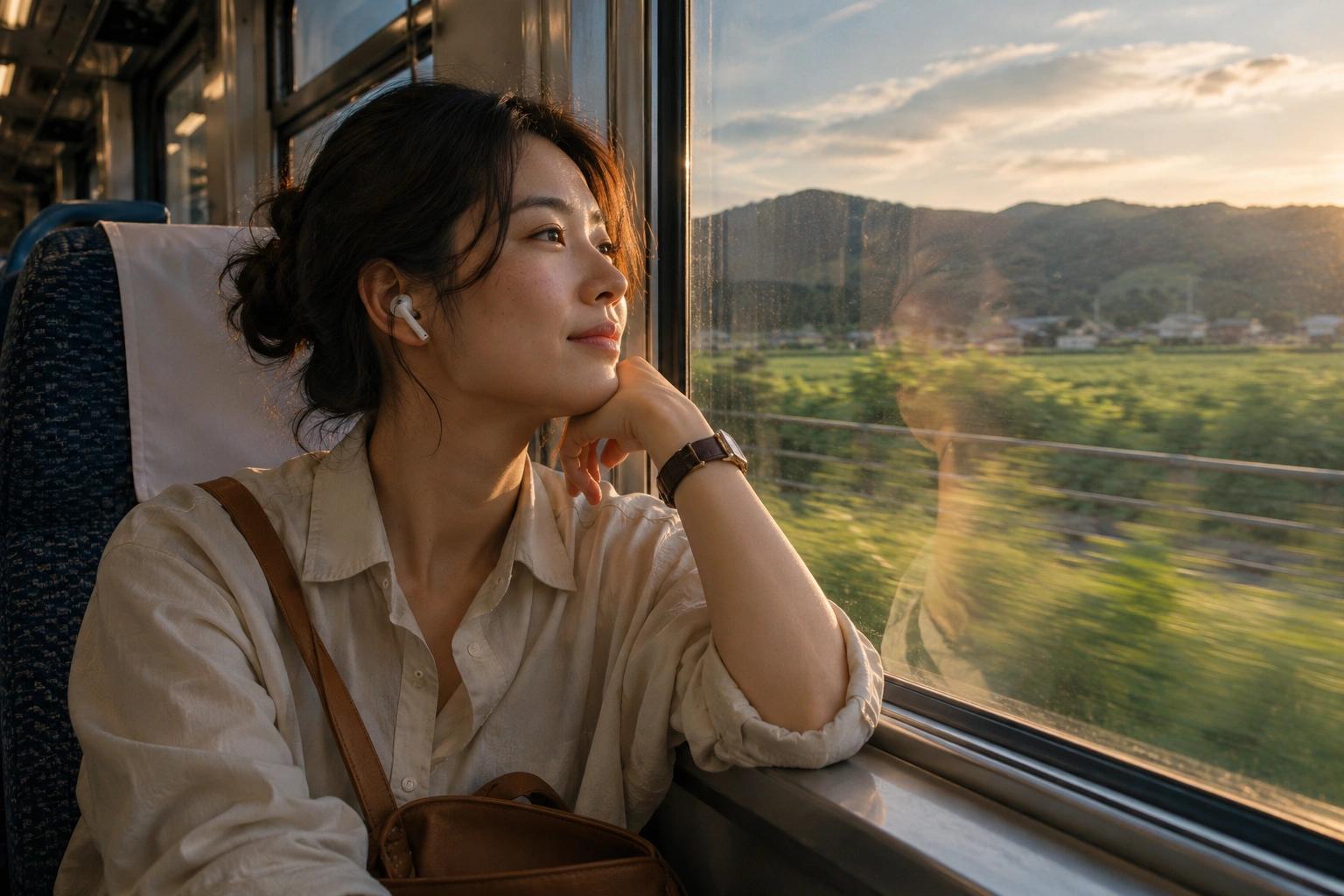
A song can be a cue to your own past
Researchers call these experiences music-evoked autobiographical memories: music brings to mind people, events or periods connected with your own life. Autobiographical does not mean you need a complete story. It means the experience belongs to your personal past.
In 2007, Janata, Tomic and Rakowski studied these memories using song excerpts, questionnaires and written accounts. The recollections included specific events and broader periods of life, often accompanied by emotion.
Think of the song as a cue. If it has accompanied certain people, places or routines, hearing it again may bring those experiences to mind. Familiarity alone does not guarantee a personal memory.
How music and personal memories meet in the brain
In a 2009 brain-imaging study with 13 participants, Janata examined responses to excerpts of popular songs from their past. Activity in parts of the medial prefrontal cortex was associated with how personally significant the songs were for autobiographical remembering.
That offers a clue about links between music and personal experience. It does not mean that one brain area stores a particular person. The study observed associations during listening and remembering, rather than finding a switch that replays the past in full.
Memories can arrive before you try to remember
These experiences also happen outside the lab. In a diary study by Jakubowski and Ghosh, 31 participants recorded music-evoked memories and listening habits over seven days.
Memories often arose during ordinary activities such as traveling and housework. Participants frequently described them as spontaneous and vivid, with positive or mixed emotions. These are reports from that group, not a rule for how often everyone should remember.
You might be hurrying somewhere when a familiar intro from a shop brings an earlier time to mind. You did not first decide to feel nostalgic; the song made an experience easier to recall.
The same song can hold different lives
The same song might mean a graduation trip to you and a breakup to your friend. One person remembers where they first heard it; another remembers the months they played it on repeat.
Your name is not in the lyrics, yet the song can feel closely tied to your life. What you miss may be a person, but also a routine, the friends around you or the version of yourself who did not yet know what would happen next.
The same song has no single story for everyone. Next time you hear it with a friend, you could ask: what does this song bring back for you?

Remembering does not have to mean wanting to return
Sometimes the feeling is clear but the date is not. Sometimes only a vague scene comes back. You can leave it there without rushing to fill in every detail.
Remembering someone does not have to mean wanting the relationship back. The song may simply have accompanied part of your life. You might feel warmth, regret, amusement or nothing especially intense.
If you do not want to keep listening today, change the song or pause. A memory appearing does not oblige you to finish the track.
Give a song you want to keep a place
If a song always reminds you of a street corner, you can connect it with that place in jeojeo. The next time you open your music map, the song has a location that helps you recognize that part of your life.
Lookback also offers calendar and list views of listening and movement records. It is private by default; sharing it lets the recipient see the route and music included in that share.
Is there a song whose opening notes immediately bring back someone, or a certain time in your life?
- Start a music map with three places ↗
- Explore Lookback and other jeojeo features ↗
- App Store download link ↗
- Google Play download link ↗
Research references
This article draws on song questionnaires, brain imaging and an everyday diary study to describe links between music and personal remembering. Findings do not represent every listener’s experience. The street corners, last trains and friendship scenes are narrative examples.